Average:
A clause in insurance policies which calculates a payout against a claim where the policy undervalues the sum insured. In the event of partial loss, the amount paid against a claim will be the same proportion as the value of the underinsurance.
Contents Insurance:
Covers the items in the property which are not fitted to the main structure of the building such as equipment, appliances, furniture, and other items of value. If you were to turn your building upside down, anything that fell out would be classed as ‘contents’.
Buildings Insurance:
Buildings insurance covers the fabric of the actual building and the cost of damage to the structure of your property. This includes the roof, walls, ceilings, floors, doors and windows. Outdoor structures, along with the cost of debris removal and site access are also included.
Employers Liability Insurance:
This cover protects employees from loss or injury while carrying out work for you. So, if you have any full or part time staff, volunteers, interns, contracted or freelance workers, it’s your responsibility to have the correct cover in place.
Business Interruption:
Covers lost income while a business is out of commission or you are unable to trade. It also includes the costs of repair necessary to get your business back up and running. An estimated 43% of business interruption insurance policies are thought to be underinsured by more than 50% (according to a Chartered Institute of Loss Adjusters report*), so it is crucial to make sure you are covered for all eventualities.
Public Liability Insurance:
To cover you should you be sued by a member of the public if they are injured, or their belongings are damaged as a result of your negligence.
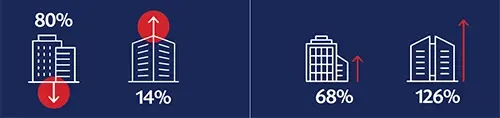
Buildings and contents insurance, business interruption, and employers and public liability, are common areas where underinsurance can be found |
*Source: ‘Zurich Insider’, September 2017 edition